

From Racetracks to Digital Dominance
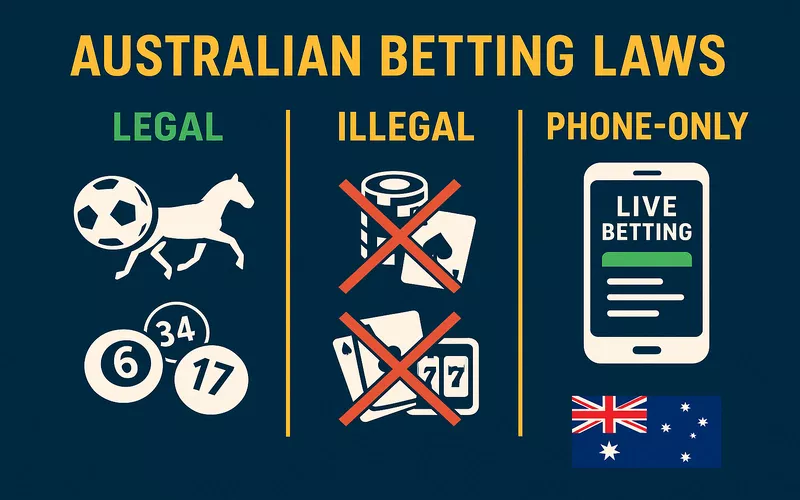
Horse racing has been part of Australian life since 1810, when the first official race meeting was held. By the 1850s, turf clubs had popped up in every capital city, and by 1930, betting on the horses was fully legal. Fast forward to today, and that centuries-old tradition has exploded into a multi-billion dollar industry that extends far beyond the track.
The real transformation came with the internet. What started as a few pioneering online bookmakers in the early 2000s has mushroomed into an ecosystem of 215-plus licensed operators, all competing for your business. TAB, once the government-run monopoly, now shares the market with global giants like Bet365, local innovators like Neds and Betr, and everything in between. The Saturday tradition of heading to the pub to watch the races hasn't disappeared it's just been supplemented by the ability to bet from your couch, your office, or even the beach, all from a phone that fits in your pocket.
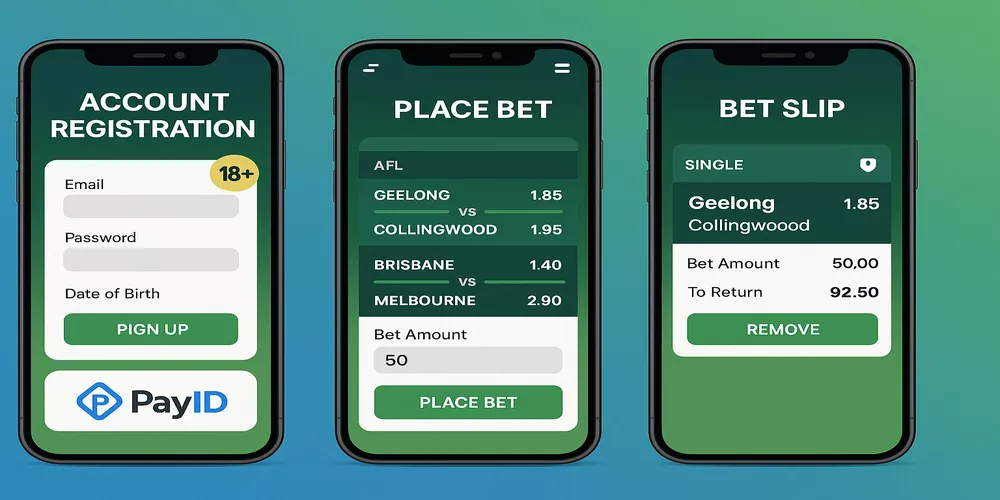
Mobile betting has become the default. Most Australians now place the majority of their bets through apps rather than websites or retail outlets. This shift has forced bookmakers to compete not just on odds, but on user experience, speed, and features. Live streaming, cash-out options, same game multis these weren't even on the radar fifteen years ago. Now they're table stakes.
The cultural significance runs deep. Saturday afternoon during footy season or racing carnival time isn't just about watching the action unfold. For millions of Australians, it's about having a bit of skin in the game, making the experience that much more engaging. There's a reason why betting advertising is so prevalent during sports broadcasts (though regulations have tightened considerably). The industry knows where its bread is buttered.