
Responsible Gambling: 2026 Tools & Control Guide
 Available in US
Betting is supposed to be fun. A few dollars on the footy to make the match more interesting. A punt on the Melbourne Cup. Maybe a regular Saturday flutter on the horses. For most Australians who bet, that’s exactly what it is—occasional entertainment that adds a bit of excitement without causing problems.
But for some people, betting stops being entertainment and becomes something darker. The casual flutter turns into constant action. The few dollars becomes hundreds or thousands. The fun evaporates, replaced by anxiety, secrecy, and desperate attempts to chase losses. Relationships strain. Bills go unpaid. Work suffers. The spiral accelerates until the person is trapped in a cycle they can’t escape alone.
Problem gambling affects roughly half a million Australians, with ripple effects touching millions more family members, friends, and colleagues. The financial damage is staggering, but the psychological and social harm often cuts deeper. Depression, anxiety, relationship breakdown, job loss, and in the worst cases, suicide—these are the real costs of gambling gone wrong.
This isn’t meant to be alarmist or preachy. Most people who bet never develop problems. But gambling harm is real, serious, and more common than many realize. Understanding what problem gambling looks like, knowing what tools exist to prevent or address it, and having clear information about where to get help can make the difference between catching issues early and letting them spiral into crisis.
Active Protection: Utilizing BetStop and 2026 Self-Exclusion Tools
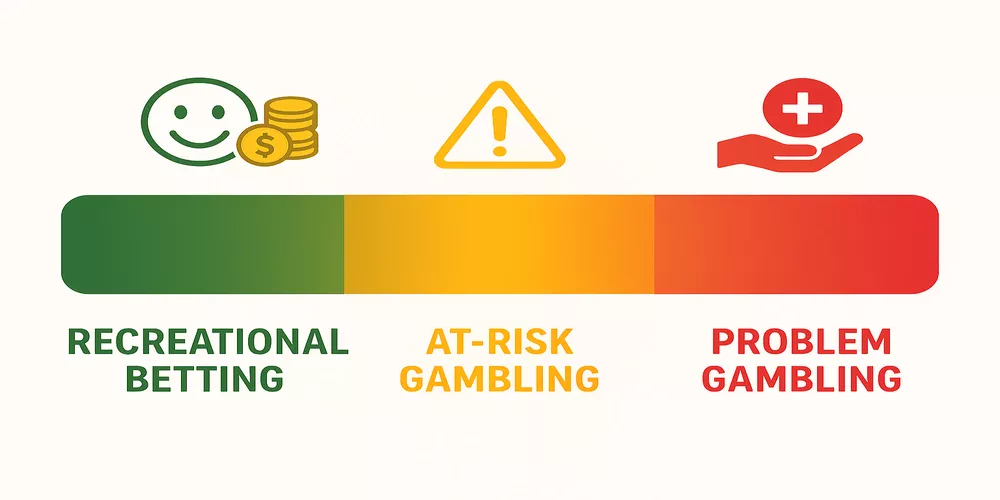
Problem gambling exists on a spectrum rather than being a binary state. At one end, you have recreational betting where someone gambles occasionally, stays within their budget, and experiences no negative consequences. Moving along the spectrum, you reach at-risk gambling where someone is starting to bet more frequently or spend more than intended, though not yet experiencing serious harm. Further along is problem gambling where the person is experiencing significant negative consequences but hasn’t yet reached the most severe stage. At the extreme end is gambling addiction or disorder, where gambling has become compulsive, the person has lost control, and serious harm is occurring across multiple life areas.
Most people who develop gambling problems don’t jump straight to the extreme end. It’s a gradual progression, often so slow that the person doesn’t notice until they’re already deep into problematic patterns. This is why understanding early warning signs matters—catching issues when you’re at-risk or in early stages of problem gambling is vastly easier than addressing full-blown addiction.
The early signs are often subtle. You’re betting more frequently than you used to, though it still feels controlled. You’re spending more money, but you justify it as affordable or as covering previous losses. You’re thinking about betting more often when you’re not actually gambling—checking odds, planning your next bets, analyzing form. You’re starting to chase losses, convincing yourself that one more bet will get you even. You’re becoming irritable or restless when you can’t bet.
As problems develop, the signs become more obvious. You’re betting with money you can’t afford to lose—rent money, bill money, savings meant for other purposes. You’re borrowing money to gamble or lying about how much you’re spending. You’re neglecting responsibilities at work, home, or in relationships because gambling is taking priority. You’re feeling guilty, anxious, or depressed about your gambling but unable to stop.
In advanced stages, the situation becomes critical. You’ve accumulated serious debt from gambling. Relationships have broken down or are severely damaged. Work performance has deteriorated or you’ve lost your job. You’re experiencing severe mental health problems—depression, anxiety, suicidal thoughts. You’ve engaged in illegal activities to fund gambling or cover losses. At this point, professional intervention isn’t optional, it’s necessary.
Understanding these stages isn’t about scaring people away from betting entirely. It’s about recognizing that problems develop gradually and that intervention at any stage is possible. The earlier you recognize warning signs in yourself or someone else, the easier it is to address them before serious harm occurs.
The Psychology Behind Problem Gambling

Problem gambling isn’t simply about lack of willpower or moral failure. It’s a psychological issue involving brain chemistry, cognitive distortions, and behavioral patterns that become entrenched over time. Understanding the mechanisms helps explain why problem gambling is so difficult to overcome without help.
The brain’s reward system responds to gambling wins by releasing dopamine, creating feelings of pleasure and excitement. This is normal and happens to everyone who gambles. But for some people, this reward response becomes dysregulated. The brain starts craving the dopamine hit from gambling, and tolerance develops—you need bigger wins or more frequent betting to get the same feeling. Near-misses (losing by small margins) trigger similar dopamine responses to actual wins, keeping you engaged even when you’re losing.
Cognitive distortions are thinking errors that problem gamblers experience. The gambler’s fallacy—believing that past results influence future independent events—is classic. You’ve seen five tails in a row so heads “must” come up next. Illusion of control makes you believe you can influence random outcomes through skill or systems. Selective memory causes you to remember wins vividly while forgetting or minimizing losses. Superstitious thinking assigns meaning to irrelevant factors—lucky numbers, special rituals, particular machines or betting apps.
Chasing losses is perhaps the most dangerous behavioral pattern. You’ve lost money and feel compelled to keep betting to recover it. This leads to larger bets, more desperate decisions, and typically even bigger losses. The hole gets deeper, the anxiety intensifies, and the urge to chase becomes overwhelming. This cycle is incredibly difficult to break without external intervention because the compulsion to “get even” overrides rational decision-making.
Dissociation can occur during problem gambling episodes where the person enters a trance-like state, losing track of time and feeling disconnected from consequences. Hours pass unnoticed. Money disappears. The person is focused entirely on the gambling, oblivious to external reality. This dissociative state provides escape from stress, anxiety, or negative emotions, which reinforces the behavior even as it causes harm.
Understanding these psychological mechanisms isn’t about making excuses for problem gambling. It’s about recognizing that this is a genuine psychological issue requiring appropriate treatment, not just stronger willpower.
Warning Signs for Friends and Family
Recognizing problem gambling in someone else is often easier than seeing it in yourself, but it requires knowing what to look for. The person will likely hide their gambling or downplay its extent, so indirect signs become important.
Financial red flags are often the first noticeable indicators. Unexplained money problems despite steady income. Bills going unpaid when they’ve always been current before. Borrowing money frequently with vague explanations. Selling possessions. Using credit cards excessively or maxing them out. Bank accounts running near zero constantly. Payday loans or similar high-interest borrowing. These financial patterns suggest money is going somewhere the person doesn’t want to discuss.
Behavioral changes reveal underlying problems. Becoming secretive about phone use or computer activity. Lying about whereabouts or activities. Emotional volatility—euphoric after wins, devastated after losses, anxious and irritable generally. Neglecting responsibilities at work or home. Losing interest in activities and hobbies that previously mattered. Withdrawing from family and friends. Sleep disturbances and changes in eating patterns.
Relationship strain often accompanies problem gambling. Arguments about money become frequent. Trust erodes as lies and secrecy pile up. Emotional intimacy decreases. The person becomes defensive and angry when questioned about gambling or spending. Family activities get neglected or cancelled. The relationship dynamic shifts as the non-gambling partner increasingly has to cover for financial problems or broken commitments.
Spotting these signs doesn’t mean immediately confronting the person aggressively or issuing ultimatums. Problem gambling is complex and shame often prevents people from seeking help. Approaching the situation with concern rather than anger, offering support rather than judgment, and having concrete information about help resources creates better chances of the person accepting assistance.
Tools for Safer Gambling
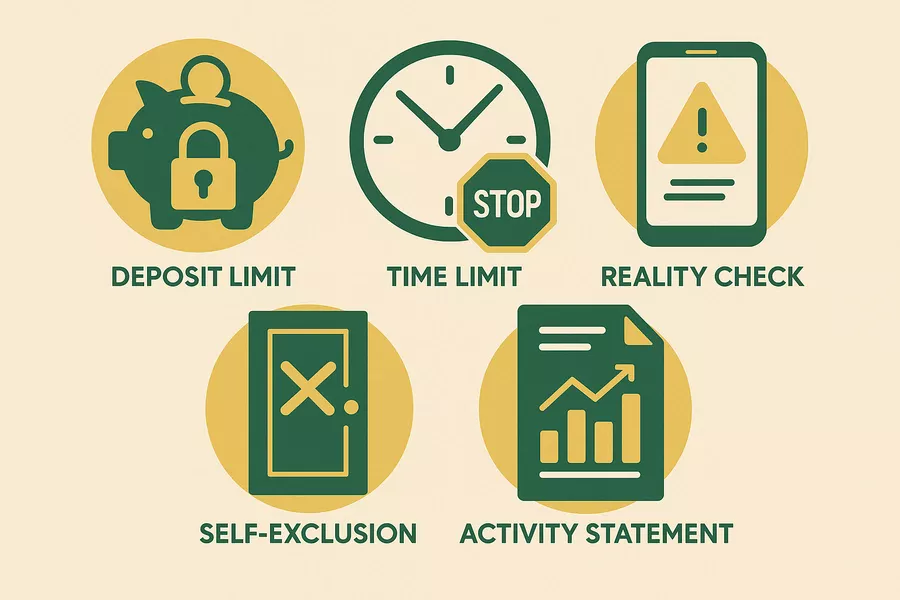
Australian gambling operators are required to provide responsible gambling tools, and these tools genuinely work when used properly. The challenge is that people often don’t engage with them until problems have already developed. Using these tools proactively, before issues arise, provides protection.
Deposit limits are the foundation of responsible gambling. You set a maximum amount you can deposit into your betting account over a specified period—daily, weekly, or monthly. Once you hit that limit, you cannot deposit more until the period resets. Setting deposit limits when you first open an account, based on what you can genuinely afford as entertainment spending, creates a hard boundary that prevents overspending in the heat of the moment.
The key is setting limits that actually mean something. If you earn three thousand dollars a month after tax and could reasonably allocate one hundred dollars to entertainment, setting a monthly deposit limit of five hundred dollars isn’t protective—it’s still too high relative to your budget. The limit should align with what losing wouldn’t impact your ability to pay bills, save, or handle unexpected expenses.
Increasing limits requires a cooling-off period, typically 24 hours. This delay is crucial because it interrupts the impulsive urge to deposit more after losing. Many people who request limit increases change their minds during the waiting period once the emotional intensity fades. Decreasing limits takes effect immediately, which makes sense—if you’re recognizing you need to bet less, that protection should activate now, not tomorrow.
Time limits restrict how long you can spend on a betting platform in a single session. Set a time limit of two hours, and after two hours the platform locks you out. This prevents marathon sessions where time becomes meaningless and you lose track of how long you’ve been gambling. Time limits are particularly useful for online gambling where the physical cues that exist at venues (daylight changing, people around you leaving) don’t exist.
Reality checks are periodic pop-ups showing how long you’ve been gambling and how much you’ve deposited, wagered, and lost or won during the session. These interruptions break the dissociative state that can develop during extended gambling. Being forced to confront the actual time elapsed and money spent creates opportunities to make conscious decisions about continuing rather than gambling on autopilot.
Loss limits cap how much you can lose over a period. They’re less common than deposit limits but arguably more important because they directly address the harm gambling causes. If you can deposit one thousand dollars but set a loss limit of two hundred dollars, any winnings you accumulate during that period extend how long you can bet, but once you’ve lost the two hundred, you’re done until the period resets.
Activity statements provided by gambling operators show your gambling history in detail. Reviewing these regularly provides honest accounting of how much you’re actually spending and whether your gambling is increasing. The numbers don’t lie the way memory does. If you’re shocked by the total spent over the past month, that’s valuable information suggesting you should reduce your gambling.
Session reminders prompt you to take breaks after specified periods. The pop-up might suggest you’ve been gambling for an hour and recommend taking a break. You can dismiss the reminder and continue, but it at least interrupts the flow and creates a moment for conscious decision-making.
Self-exclusion is the most extreme tool, where you voluntarily ban yourself from gambling for a minimum period. Individual operators offer self-exclusion from their platform, typically for three months to several years. This closes your account and prevents you from opening new accounts or gambling on that platform during the exclusion period.
BetStop: The National Self-Exclusion Register
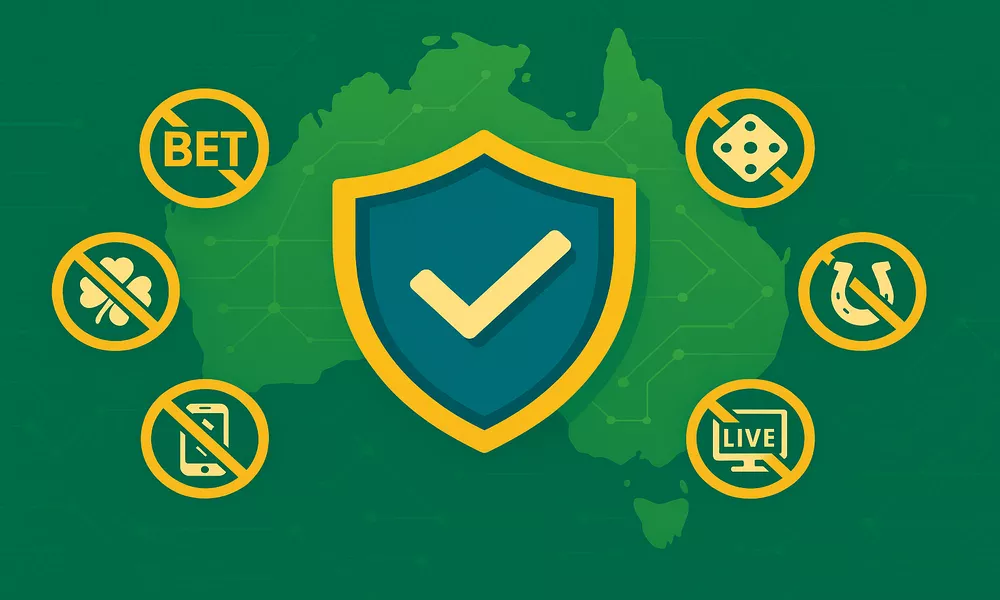
BetStop represents the most significant responsible gambling initiative Australia has implemented in recent years. Launched in 2023, BetStop is a free national self-exclusion register that lets you ban yourself from all licensed gambling operators in Australia with a single registration.
Before BetStop, you had to self-exclude from each gambling operator individually. If you had accounts with ten bookmakers, you needed ten separate self-exclusions. This was time-consuming, required contacting each operator, and left gaps where you might have forgotten accounts or where new operators you didn’t have accounts with remained accessible. BetStop solves this by creating one comprehensive exclusion.
Registering with BetStop takes about fifteen minutes. You provide personal details, verify your identity, and choose your exclusion period—minimum three months, options for six months, one year, three years, or permanent. Once registered, BetStop notifies all licensed gambling operators in Australia, who are legally required to close your accounts and prevent you from opening new ones.
The coverage is comprehensive. Over 215 licensed online bookmakers, all online lottery providers, all online wagering services—BetStop reaches them all. This includes operators you currently have accounts with and those you don’t, preventing you from simply opening new accounts elsewhere when excluded from your usual platforms. Retail betting venues like pubs and TAB outlets aren’t covered by BetStop, but online gambling is where most problem gambling occurs.
The exclusion period you choose is legally binding and cannot be shortened. If you register for three months, you cannot reverse that decision until three months pass. This irrevocability is crucial because it removes the ability to impulsively unblock yourself during moments of intense urge to gamble. The decision to exclude gets made when you’re clearheaded and recognizing you need protection. That protective boundary then holds firm during weaker moments.
After the minimum exclusion period ends, if you registered for three months or longer, you can choose to renew for another period or let it expire. The default is that exclusion continues until you actively request removal. This design prevents automatic re-exposure to gambling the moment your exclusion period ends. You have to make a conscious decision to return to gambling rather than passively falling back into it.
BetStop is completely confidential. The only people who know you’re registered are you and the gambling operators who need to close your accounts. There’s no public record. Your employer doesn’t know. Your family doesn’t know unless you tell them. The confidentiality addresses the shame and stigma that often prevents people from seeking help.
Accessing BetStop is simple. Visit betstop.gov.au and follow the registration process. It’s free, it’s fast, and it provides immediate protection from the vast majority of Australian gambling. If you’re struggling with online gambling and need a circuit breaker to stop the cycle, BetStop is the most powerful tool available.
The only gambling not covered by BetStop is land-based venues like casinos and betting outlets. These require separate self-exclusions, typically arranged through venue staff or state gambling authorities. But for the online gambling that accounts for most betting activity and much problem gambling, BetStop provides comprehensive coverage.
Getting Help: Where to Turn

Recognizing you need help is difficult because of shame, embarrassment, and fear of judgment. But seeking help is a sign of strength, not weakness. Problem gambling is a recognized psychological issue, and effective treatment exists.
The National Gambling Helpline is the first port of call for anyone concerned about gambling. Call 1800 858 858 and you’ll speak with trained counselors who understand problem gambling. The service is free, available 24 hours a day, seven days a week, and completely confidential. You don’t need to provide your real name. The counselors won’t judge you or make you feel worse—their job is supporting you and connecting you with appropriate help.
What happens when you call depends on your situation. If you’re in immediate crisis—experiencing suicidal thoughts, at risk of harming yourself, in desperate financial circumstances—the counselor will focus on immediate safety and connecting you with crisis services. If you’re recognizing early warning signs and want to address them before problems escalate, the counselor can discuss strategies, coping mechanisms, and whether further support like counseling would help. If you’re calling about someone else’s gambling, the counselor can advise on how to approach the situation and what resources exist for concerned family members.
Gambling Help Online at gamblinghelponline.org.au provides alternatives to phone support. Live chat operates 24-7 if you prefer typing to talking. Email support is available if you want to describe your situation in writing and receive a considered response. The website also hosts comprehensive information about problem gambling, self-assessment tools, and directories of local services.
State-based gambling help services offer face-to-face counseling, which many people find more effective than remote support. Every state and territory has free counseling services specifically for problem gambling. These services understand the specific issues gambling creates and use evidence-based treatments. Sessions are confidential and you don’t need referrals—just contact the service directly.
Financial counseling is crucial for many people because problem gambling often creates significant debt. General counseling addresses the gambling behavior, but you also need practical help managing debt, dealing with creditors, and rebuilding financial stability. Financial counseling services exist specifically for gambling-related financial problems. These counselors understand both gambling issues and debt management, providing realistic plans for recovery.
Support groups like Gamblers Anonymous provide peer support through regular meetings where people with gambling problems share experiences and support each other. The mutual support and accountability help many people maintain abstinence. Meetings operate in most major cities and some regional areas. They’re free and follow similar principles to other twelve-step programs. Some people find the group approach invaluable. Others prefer individual counseling. Both approaches work, and some people use both.
Family support services recognize that problem gambling doesn’t just affect the gambler. Partners, children, parents, and friends all experience harm. Services like Relationships Australia offer counseling for family members dealing with someone else’s gambling. These sessions focus on the impact on you, how to set boundaries, how to support the person without enabling their gambling, and how to cope with the stress and trauma problem gambling causes.
Online treatment programs provide alternatives for people in rural areas or those who prefer remote support. Programs like Gambling Help Online’s online treatment program guide you through structured modules addressing problem gambling. They’re not as comprehensive as face-to-face counseling but are better than no support and can complement other services.
GPs and mental health professionals should be part of your support network. Problem gambling frequently co-occurs with depression, anxiety, or other mental health issues. Your GP can assess your overall health, refer you to specialists, and potentially prescribe medication if appropriate. Psychologists and psychiatrists with experience in addiction can provide targeted therapy addressing both the gambling and underlying issues.
Supporting Someone with a Gambling Problem
If someone you care about has a gambling problem, you’re in a difficult position. You want to help but might not know how. Approaching the situation effectively increases chances they’ll accept support rather than becoming defensive and withdrawing further.
Choose the right time and place for conversation. Don’t confront someone when they’re emotional from recent gambling—either euphoric from winning or devastated from losing. Don’t do it publicly or in front of people who don’t need to know. Find a private, quiet time when you’re both relatively calm and can talk without interruption.
Focus on specific behaviors and their impact rather than attacking character. Say “I’m worried because you’ve borrowed money three times this month and seem stressed about finances” rather than “You’re a gambling addict who’s destroying your life.” The first is concerned and specific. The second is judgmental and will provoke defensiveness.
Express concern rather than anger. Even if you’re furious about lies, money problems, or broken promises, leading with anger shuts down communication. “I love you and I’m worried about what’s happening” opens doors. “I can’t believe you did this again, you promised” closes them. You can feel angry—that’s valid—but leading with concern is more effective.
Have concrete information ready. Research support services before the conversation. Have phone numbers for the Gambling Helpline. Know about BetStop. Have information about local counseling services. When someone is in pain and recognizes they need help, having immediate next steps ready makes it easier for them to act before their resolve weakens.
Avoid enabling behaviors that make gambling easier or shield the person from consequences. Lending money, paying their bills when they’ve gambled their money away, covering for them at work—these actions might come from love but they enable continued gambling by removing natural consequences. Supporting someone doesn’t mean protecting them from the results of their actions.
Set boundaries about what you will and won’t accept. You can support someone seeking help while refusing to tolerate continued lying, financial abuse, or emotional harm. Clear boundaries protect you while showing the person that their behavior has real consequences. This is difficult and often requires support for yourself from counseling or support groups.
Take care of your own wellbeing. Living with or caring about someone with a gambling problem takes a toll. You’re experiencing stress, anxiety, and likely financial impact. Seeking counseling for yourself isn’t selfish—it’s necessary. You can’t effectively support someone else if you’re drowning.
Recognize that you can’t force someone to change. You can express concern, provide information, set boundaries, and offer support. But the person has to decide to address their gambling problem. If they’re not ready, continuing to push often backfires. Sometimes the most effective thing you can do is maintain your boundaries and make it clear that support is available when they’re ready.
Prevention: Keeping Gambling Fun
For most people who bet, the goal isn’t abstinence—it’s maintaining gambling as entertainment without letting it become problematic. Prevention strategies help keep gambling in healthy boundaries.
Set limits before you start. Decide how much you can afford as entertainment spending and stick to it. Use deposit limits on betting accounts to enforce these boundaries. The key is setting limits when you’re clearheaded, before gambling, because limits set during gambling are almost always too generous.
Treat gambling money as gone the moment you deposit it. This money is entertainment expense, like going to a movie or restaurant. You’re paying for the experience and excitement. If you win, that’s a bonus. If you lose, that’s the cost of entertainment. This mindset prevents chasing losses because you’ve already mentally accepted the money as spent.
Never gamble with money needed for essential expenses. Betting with rent money, bill money, or money meant for groceries or other necessities is a clear sign gambling has become problematic. If you find yourself even considering using essential money for gambling, that’s a warning sign requiring immediate attention.
Take regular breaks during gambling sessions. Set a timer for every hour or half hour and force yourself to stop briefly. Get up, walk around, check in with reality. These breaks interrupt the flow state where time becomes meaningless and prevent marathon sessions.
Don’t gamble when emotional. Betting when you’re upset, stressed, angry, or even overly excited leads to poor decisions. Gambling as emotional coping mechanism is one of the fastest paths to problems. If you’re feeling strong emotions, find healthier ways to process them.
Track your gambling honestly. Keep records of how much you’re spending and whether it’s increasing over time. Review these records monthly. If you see trends that concern you—escalating spending, betting more frequently, larger losses—those are early warnings to pull back.
Maintain other interests and activities. Gambling shouldn’t be your primary source of entertainment or social interaction. If betting is increasingly crowding out other aspects of your life, that’s concerning. Maintain hobbies, relationships, and activities that have nothing to do with gambling.
Moving Forward
Responsible gambling isn’t just about preventing problems in people who gamble. It’s also about creating systems, tools, and cultural attitudes that make gambling safer for everyone and ensure help is available when needed.
Australia has made genuine progress in recent years. BetStop provides comprehensive protection that didn’t exist before. Gambling operators face stricter requirements around responsible gambling tools and messaging. Advertising restrictions have tightened. Help services have expanded. Public awareness of gambling harm has increased.
But significant work remains. The gambling industry is enormously profitable precisely because the house edge ensures most gamblers lose money over time. The tension between operating profitable gambling businesses and genuinely minimizing harm is real. Some operators prioritize responsible gambling. Others do the minimum legally required. Regulation needs to continue evolving to protect vulnerable people while allowing adults who gamble recreationally to do so.
For individuals, the message is straightforward. If you gamble, use available tools to keep it controlled. Set limits. Track spending. Take breaks. Seek help early if you notice warning signs. If you don’t gamble, understand that problem gambling is real, serious, and affects people you know, even if they haven’t told you. Be informed about help resources so you can support others when needed.
Gambling can be entertainment. For most Australians who bet, it is. But entertainment that can destroy lives when it goes wrong deserves respect, caution, and access to help when problems develop. Know the signs. Know the tools. Know where to get help. That knowledge might save your life or someone else’s.
